Unlocking Compassion: How Neuroscience Sheds Light on Empathy and Human Connection
- Relating Addict
- Dec 6, 2025
- 3 min read

Empathy shapes how we relate to others, influences our social bonds, and drives compassionate behavior. But what happens inside the brain when we feel empathy? Neuroscience reveals the complex processes that allow us to understand and share others’ emotions. Exploring these mechanisms helps explain why empathy varies among individuals and how it can be nurtured. This post uncovers the brain’s role in empathy and what that means for human connection.
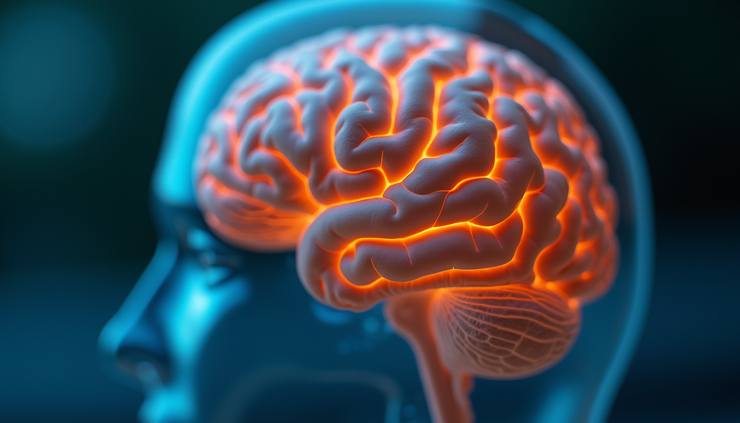
The Brain Networks Behind Empathy
Empathy is not a single function but a combination of processes involving multiple brain areas. Neuroscientists identify two main components:
Affective empathy: Feeling what another person feels emotionally.
Cognitive empathy: Understanding another person’s perspective or mental state.
These components engage different but overlapping brain regions.
Mirror Neuron System
The mirror neuron system activates when we observe others’ actions or emotions, helping us simulate their experience internally. Located mainly in the premotor cortex and inferior parietal lobule, these neurons fire both when performing an action and when watching someone else perform it. This mirroring creates a foundation for emotional resonance.
Anterior Insula and Anterior Cingulate Cortex
These areas process emotional awareness and pain. When we see someone in distress, the anterior insula and anterior cingulate cortex activate, reflecting our emotional response to their suffering. This response is crucial for affective empathy, allowing us to share feelings like pain or joy.
Medial Prefrontal Cortex and Temporoparietal Junction
These regions support cognitive empathy by enabling perspective-taking and understanding others’ thoughts. The medial prefrontal cortex helps us consider others’ intentions, while the temporoparietal junction is involved in distinguishing self from others, a key step in imagining another’s viewpoint.
How Empathy Develops and Varies
Empathy is shaped by both biology and experience. From infancy, humans show signs of empathy, such as distress at others’ cries. Brain development and social interactions influence how empathy matures.
Genetic and Environmental Influences
Studies show genetic factors contribute to empathy levels, but environment plays a major role. Positive caregiving, social learning, and cultural norms encourage empathetic behavior. Conversely, trauma or neglect can impair empathy development.
Individual Differences
People vary widely in empathy. Some have heightened sensitivity, while others struggle to connect emotionally. Conditions like autism spectrum disorder or psychopathy involve differences in brain regions related to empathy, affecting social behavior.

Practical Implications of Neuroscience on Empathy
Understanding the brain’s role in empathy offers practical insights for improving relationships, education, and mental health.
Enhancing Empathy Through Training
Research shows empathy can be strengthened through practice. Techniques like mindfulness meditation, perspective-taking exercises, and compassion training activate relevant brain areas and increase empathetic responses. For example, healthcare professionals who undergo empathy training report better patient care and reduced burnout.
Empathy in Conflict Resolution
Recognizing how empathy works helps in resolving conflicts. When people understand others’ feelings and viewpoints, they communicate more effectively and find common ground. Neuroscience supports using empathy-building strategies in mediation and negotiation.
Supporting Mental Health
Empathy deficits often appear in mental health conditions such as depression or social anxiety. Therapies that focus on improving emotional understanding and connection can aid recovery. Neuroscience guides these approaches by identifying which brain functions to target.

Moving Forward with Empathy
The brain’s intricate networks enable us to connect deeply with others. Neuroscience reveals empathy as a skill rooted in biology but shaped by experience. This knowledge encourages us to cultivate empathy intentionally, improving our relationships and communities.
By practicing empathy-building activities and fostering supportive environments, we can strengthen the brain’s capacity for compassion. Understanding how empathy works in the brain empowers us to create a more connected and caring society. The next step is to apply these insights in daily life, from personal interactions to broader social efforts.


Comments